


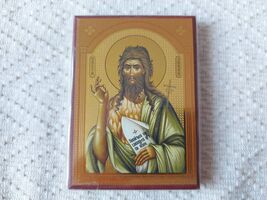
Handmade Serbian Orthodox Icon Of St Sava and 50 similar items
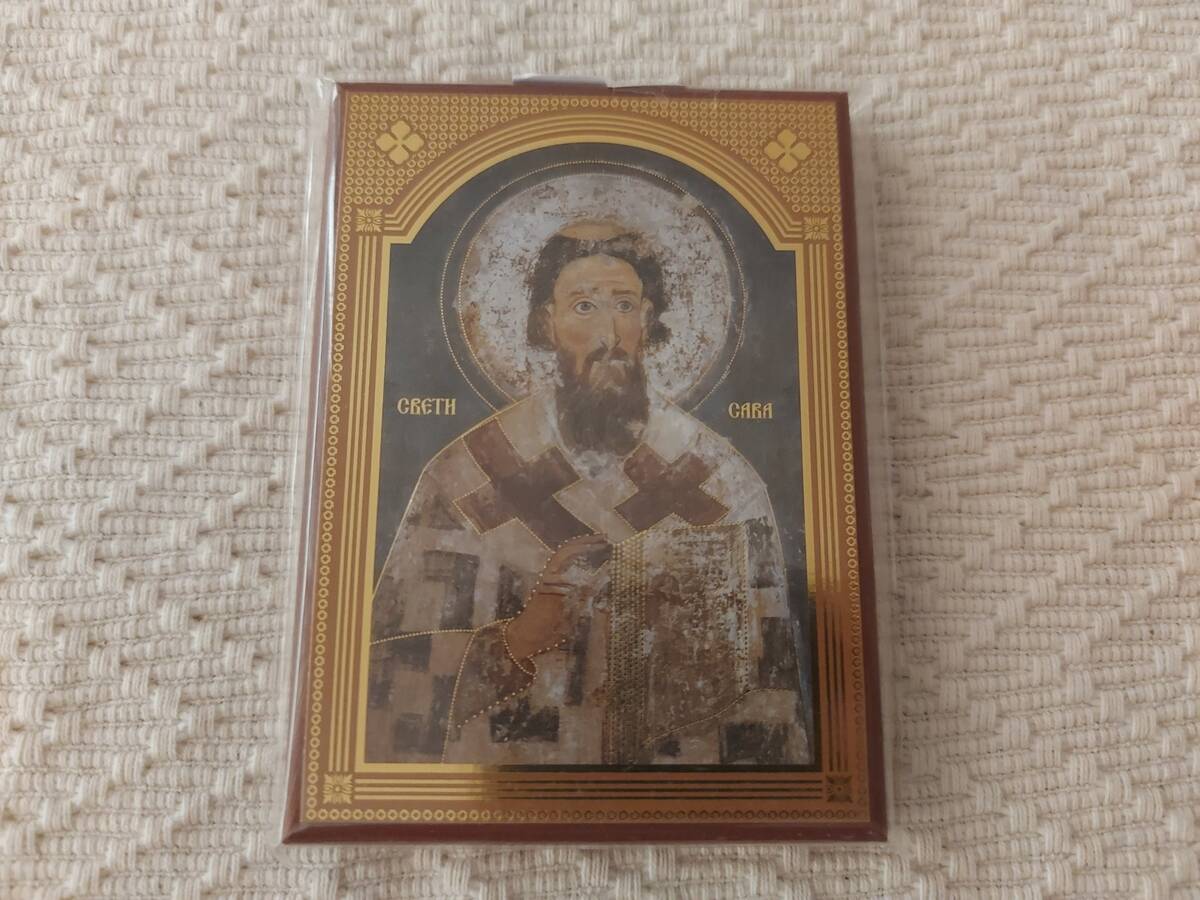
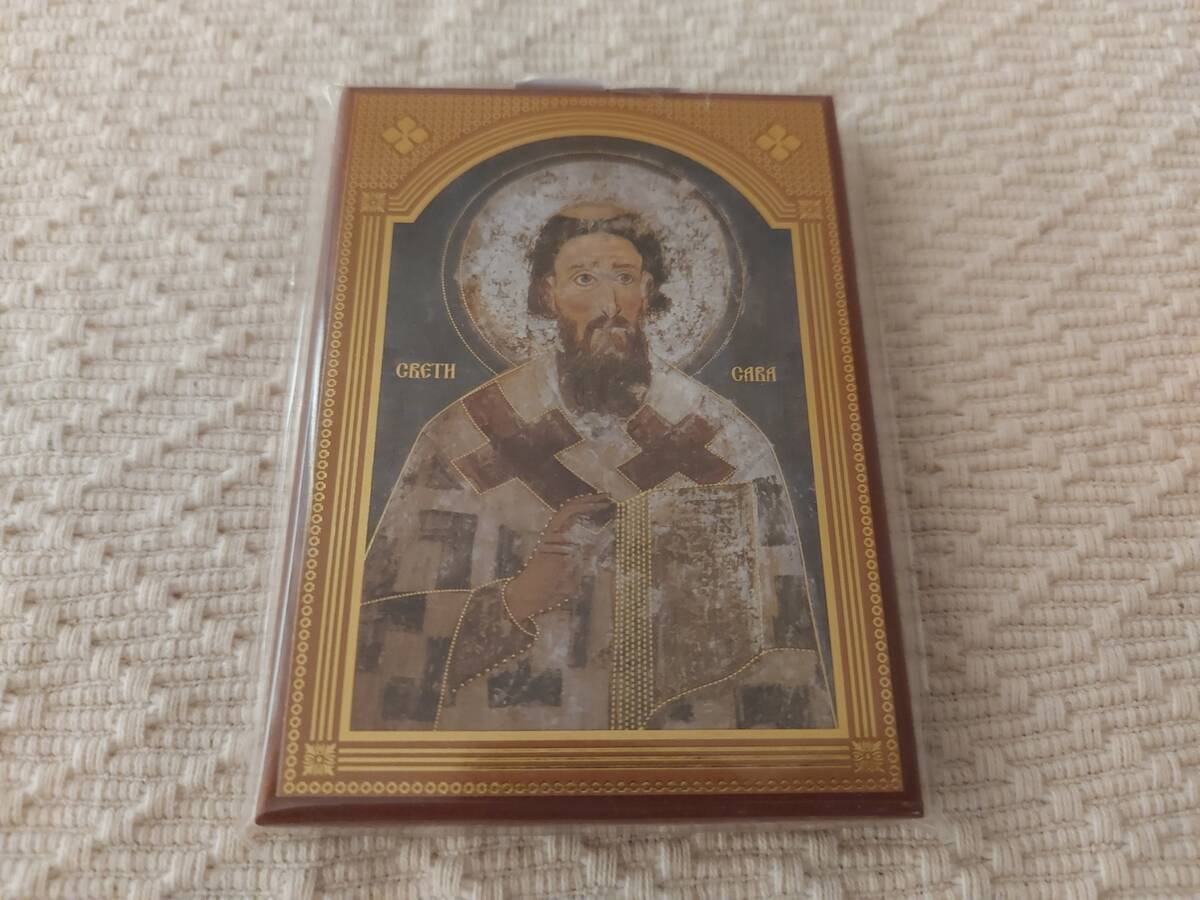
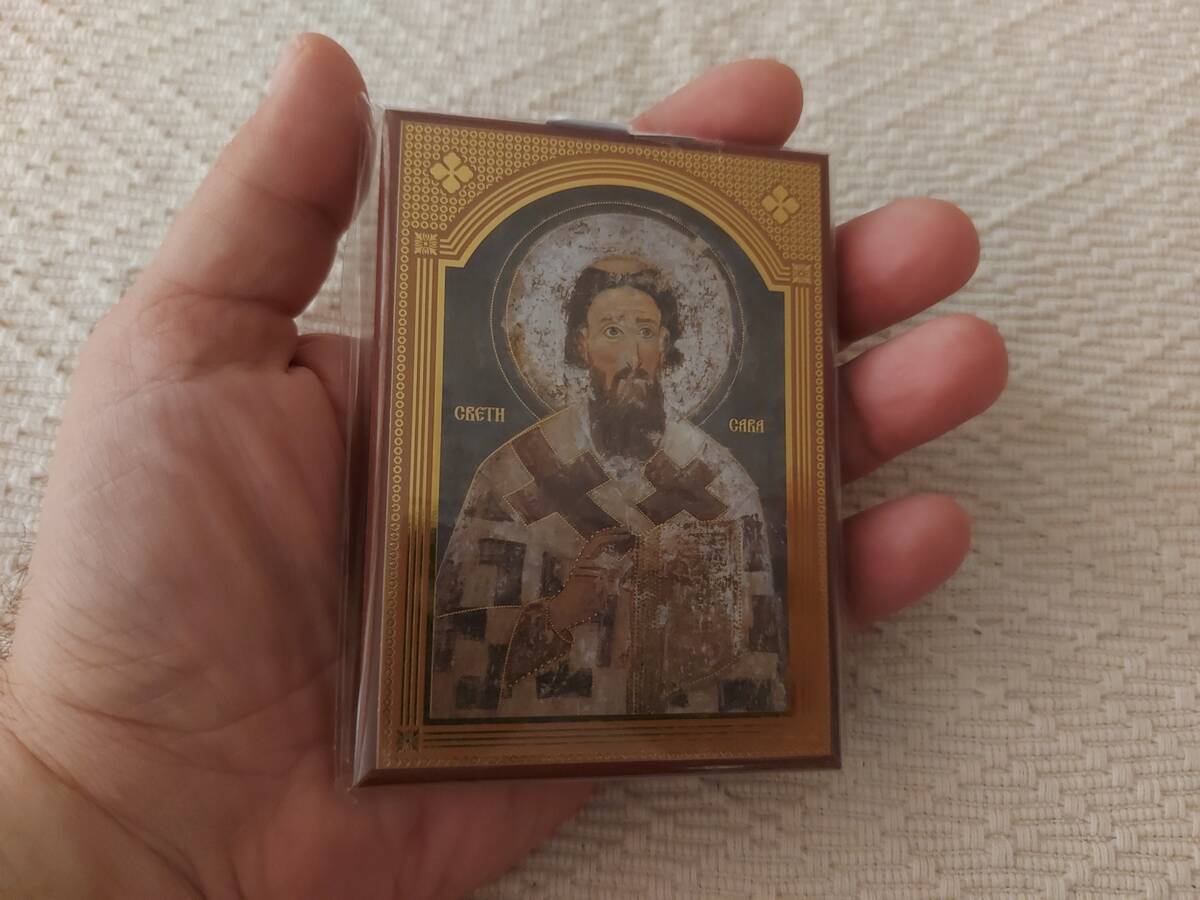
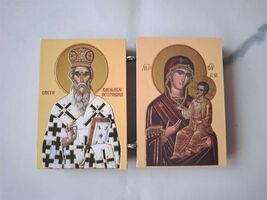
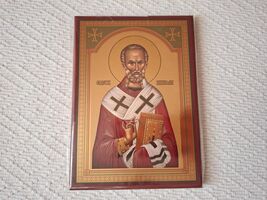
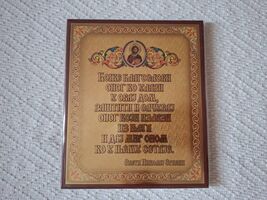
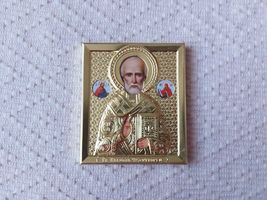
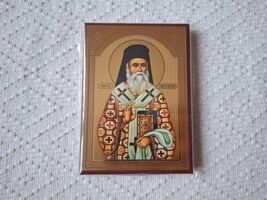
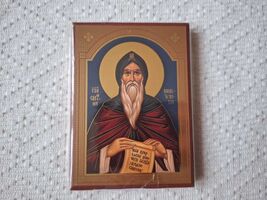
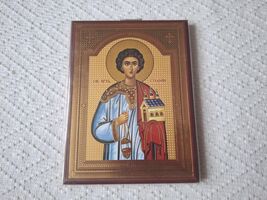
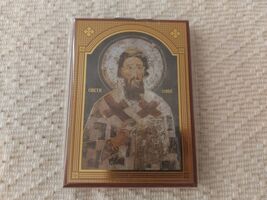
Handmade Serbian Orthodox Icon Of St Sava 10cm x 7cm
$25.00
(It may be possible to pay only $22.00 instead of $25.00 when you
use your bCredits at checkout)
Sign up and get $15.00 bCredits free to use at checkout and another $5.00 bCredits when you make your first purchase. More info
Share & earn! Sign in, share this or any listing, and you’ll get commission when it sells.
Learn more

View full item details »

Shipping options

Return policy
None: All purchases final
Purchase protection
Payment options
PayPal accepted
PayPal Credit accepted
Venmo accepted
PayPal, MasterCard, Visa, Discover, and American Express accepted
Maestro accepted
Amazon Pay accepted
Nuvei accepted
View full item details »
Shipping options
Return policy
None: All purchases final
Purchase protection
Payment options
PayPal accepted
PayPal Credit accepted
Venmo accepted
PayPal, MasterCard, Visa, Discover, and American Express accepted
Maestro accepted
Amazon Pay accepted
Nuvei accepted
Item traits
| Category: | |
|---|---|
| Quantity Available: |
Only one in stock, order soon |
| Condition: |
Unspecified by seller, may be new. |
Listing details
| Shipping discount: |
Shipping weights of all items added together for savings. |
|---|---|
| Posted for sale: |
December 18 |
| Item number: |
1784058658 |
Item description
Handmade Serbian Orthodox Icon Of St Sava
BRAND NEW
Description:
Saint Sava He was born in 1175 as Rastko Nemanjic, the youngest son of the great prefect Stefan Nemanja and Ana Nemanjic, the daughter of the Constantinople emperor Roman. As a child, he adored and regularly attended church services, and he was especially interested in icons. When he was 17, he met a monk and soon went with him to the monastery of St. Panteleimon on the Holy Mountain, leaving his father's house. He became a monk in that monastery in 1192, when he was named Sava. In 1196, the great prefect Stefan Nemanja left his kingdom - Raska, and joined his son in the Studenica monastery, where he became a monk and was named Simeon. In the same year, Rastko's mother Ana left her previous life and became a monk, becoming Anastasia. Two years later, Sava and Simeon founded the Hilandar monastery on the Holy Mountain. Simeon died in 1199, and only a few months later he was proclaimed a saint. At the beginning of the 13th century, Sava became a deacon and a priest of Hilandar, and then an archimandrite in Thessaloniki. When he returned to Serbia in 1207, he took with him the relics of his father, Saint Simeon, and thus reconciled with the previously quarreled brothers Stefan and Vukan. In the following period, during the first decades of the 13th century, the Serbian state flourished under the rule of Nemanjic. Namely, in 1217, Sava's eldest brother, Stefan, was crowned and thus became Stefan Prvovencani, and in 1219, the Ecumenical Patriarch proclaimed Sava the first Serbian archbishop at the court of the Byzantine Empire in Nicaea. Thanks to Sava, the Serbian Orthodox Church became autocephalous, that is an independent church that does not depend on other churches. In 1220, Sava published the first Serbian Nomokanon, a legal collection that includes church and civil laws related to church-legal issues. A year later, together with Stefan the First-Crowned, he founded a church assembly or council, which represented the beliefs of the Christian Orthodox Church. The fact that in 1228 he miraculously resurrected his late brother Stefan, whose relics are today in the Studenica monastery, also speaks in favor of the power of Archbishop Sava. In the same year, Sava crowned Radoslav, and in 1234 Vladislav - his brother's sons. In the monastery of Zica, which was built by Stefan Prvovencani, Sava handed over his title of archbishop to his student Arsenij in 1234, and thus proclaimed him the second Serbian archbishop. After that, Sava sets off, with the desire to end his life wandering in some unknown land. He traveled to Palestine, Syria, Persia, Babylon, Egypt and Anatolia, and in each of these areas he visited holy places, talked with great hermits and collected the relics of saints. In Trnovo, the capital of the Bulgarian kingdom, he fell ill and died on January 27, 1236. After several unsuccessful attempts, King Vladislav finally succeeded in transferring the relics of Saint Sava to the Mileseva monastery, around 1237. At the end of the 16th century, the Ottoman Turks burned Sava's relics on the Vracar embankment in Belgrade, where one of the largest Orthodox churches in the world, the Temple of Saint Sava, is located today. The legacy of Saint Sava is still present in the tradition of the Orthodox Church of the Slavic peoples. He is the greatest Serbian educator. He is the man who founded the Hilandar monastery and who, with his firm faith in God, also believed in people, connected them and illuminated their life paths. He is also important as the writer of the first Serbian Nomocanon, the Life of Saint Simeon, Studenicki and Hilandarski tipik. Numerous songs and folk tales have been written about him, and the day of his death, January 27, was marked as a holiday of all schools and many Orthodox believers.
Item Details:
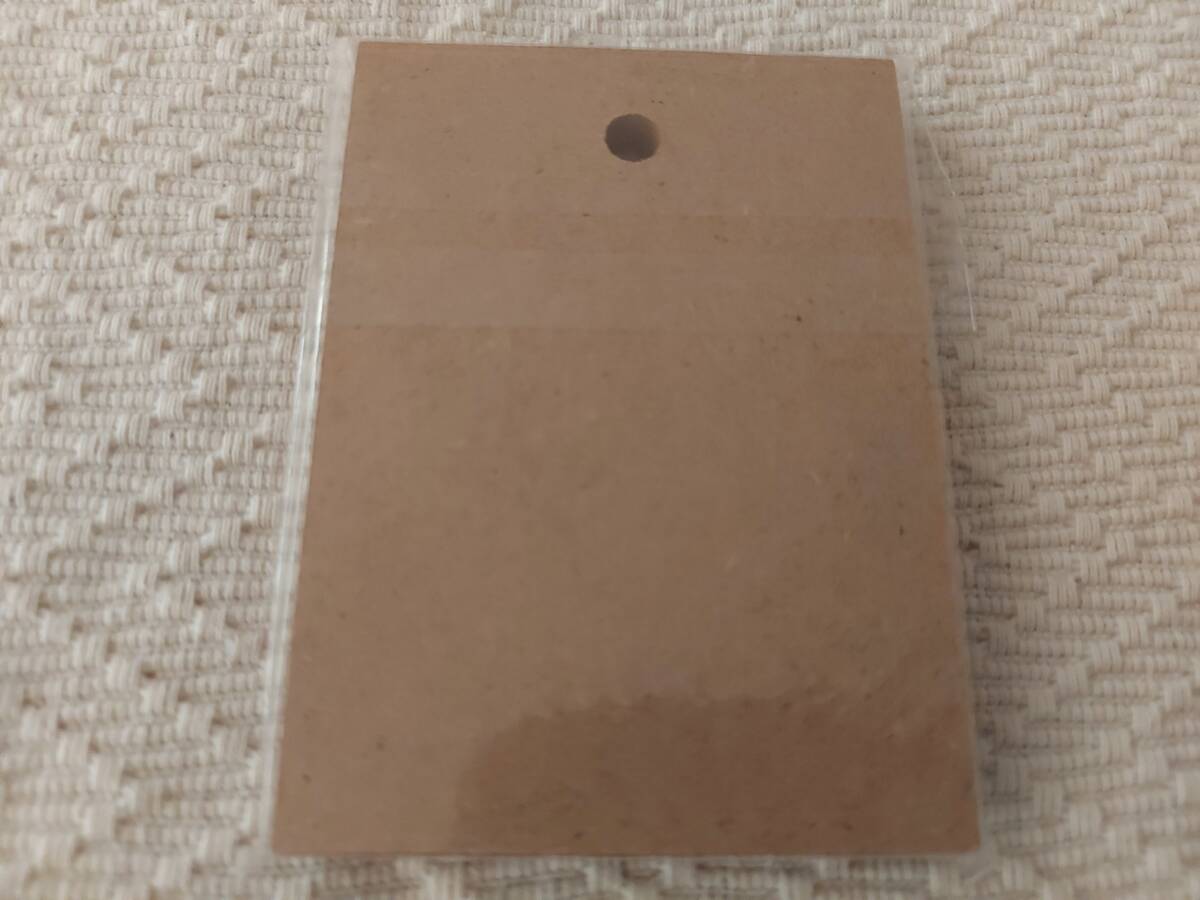
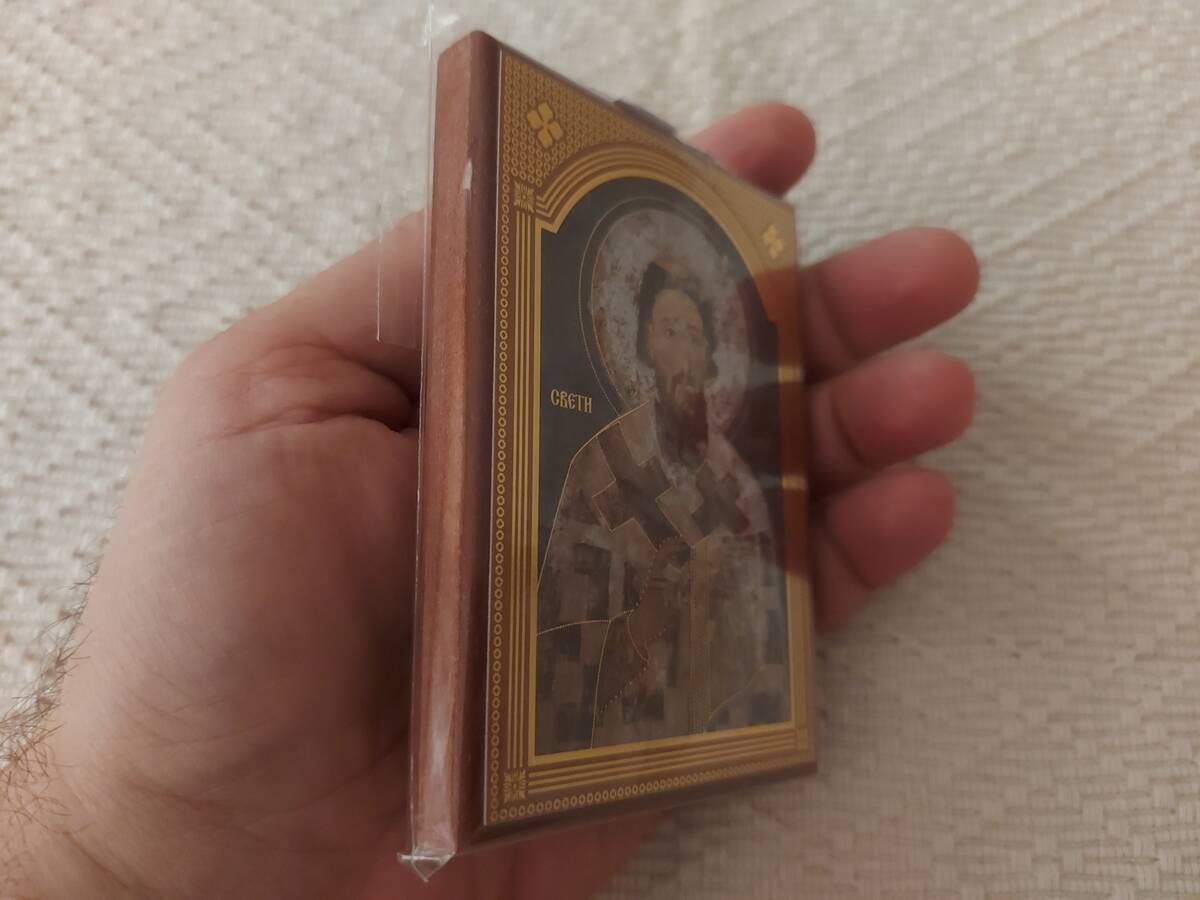
· Dimensions: 10cm x 7cm.
· Material: Wood.
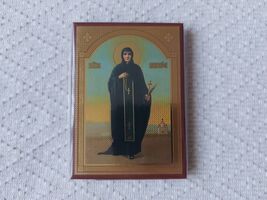
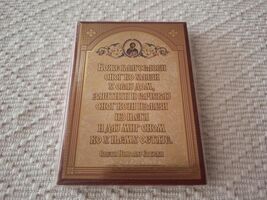
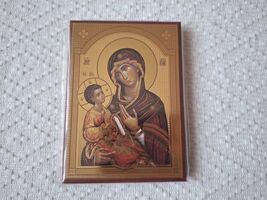
View images please.
PLEASE NOTE:
Each order is packaged to prevent damage. It is wrapped in bubble foil and cardboard. You can be sure that your goods will be delivered without any problems.
If you have any questions, don't hesitate to contact me at any time.
|
Why are we showing these items?
Booth
Serbian Store |

|

-
Refine your browsing experience
We can show you more items that are exactly like the original item, or we can show you items that are similar in spirit. By default we show you a mix.

This item has been added to your cart
 Handmade Serbian Orthodox Icon Of St Sava 10cm x 7cm added to cart.
Only one available in stock
Handmade Serbian Orthodox Icon Of St Sava 10cm x 7cm added to cart.
Only one available in stock
View Cart or continue shopping.
 Please wait while we finish adding this item to your cart.


Get an item reminder
We'll email you a link to your item now and follow up with a single reminder (if you'd like one). That's it! No spam, no hassle.
Already have an account?
Log in and add this item to your wish list.


